A Misuse of a SGPS 4-Layer Stackup
How to use SGPS boards, and how they can be improved for EMC performance.
7/21/2026
Layer count and stackup decisions shouldn’t be driven by routing convenience. They should be driven by field management.
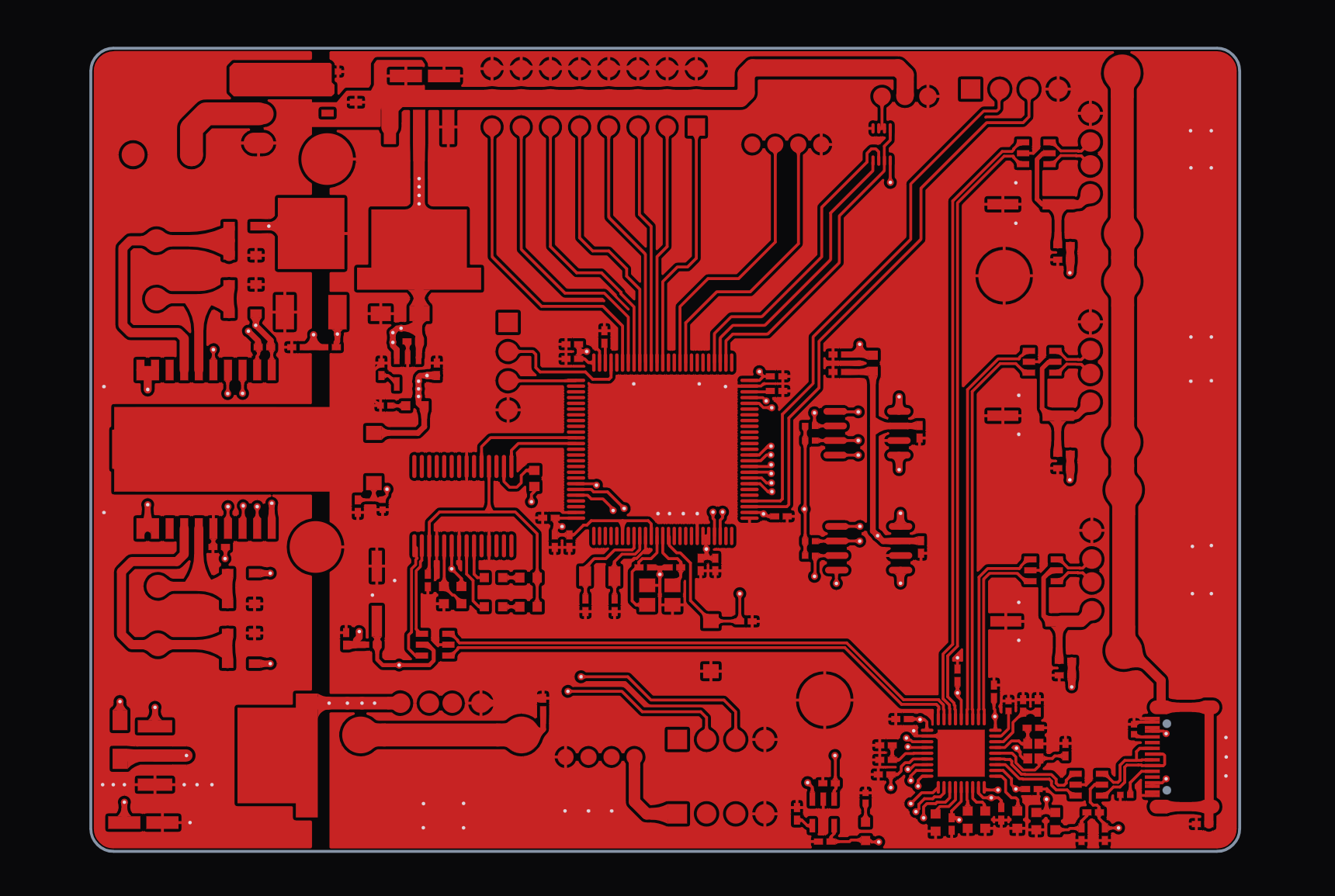
Take a look at the layout of this USB hub PCB:
• 𝗟𝗮𝘆𝗲𝗿 𝟭: Signals and a ground flood
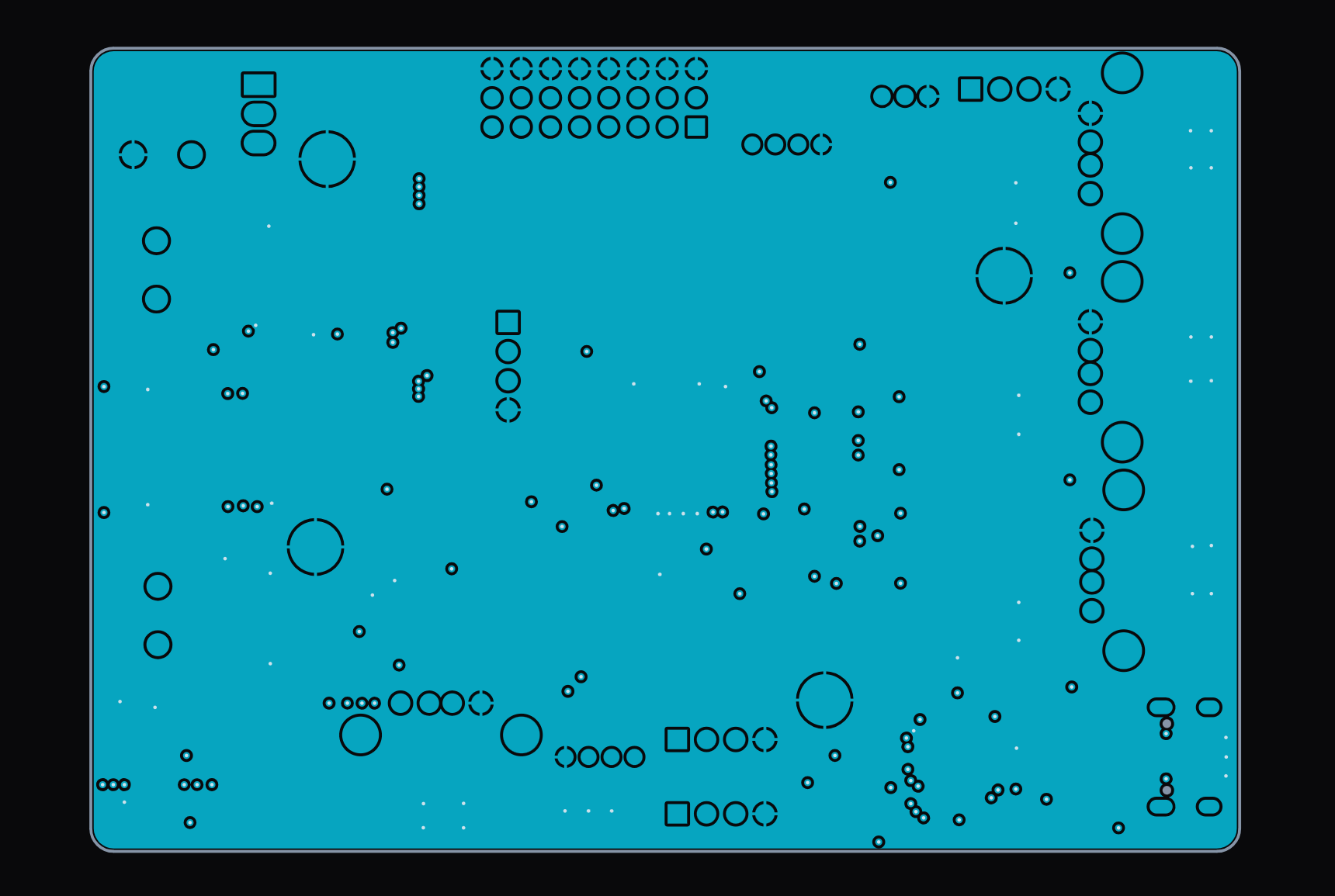
 • 𝗟𝗮𝘆𝗲𝗿 𝟮: Continuous ground reference
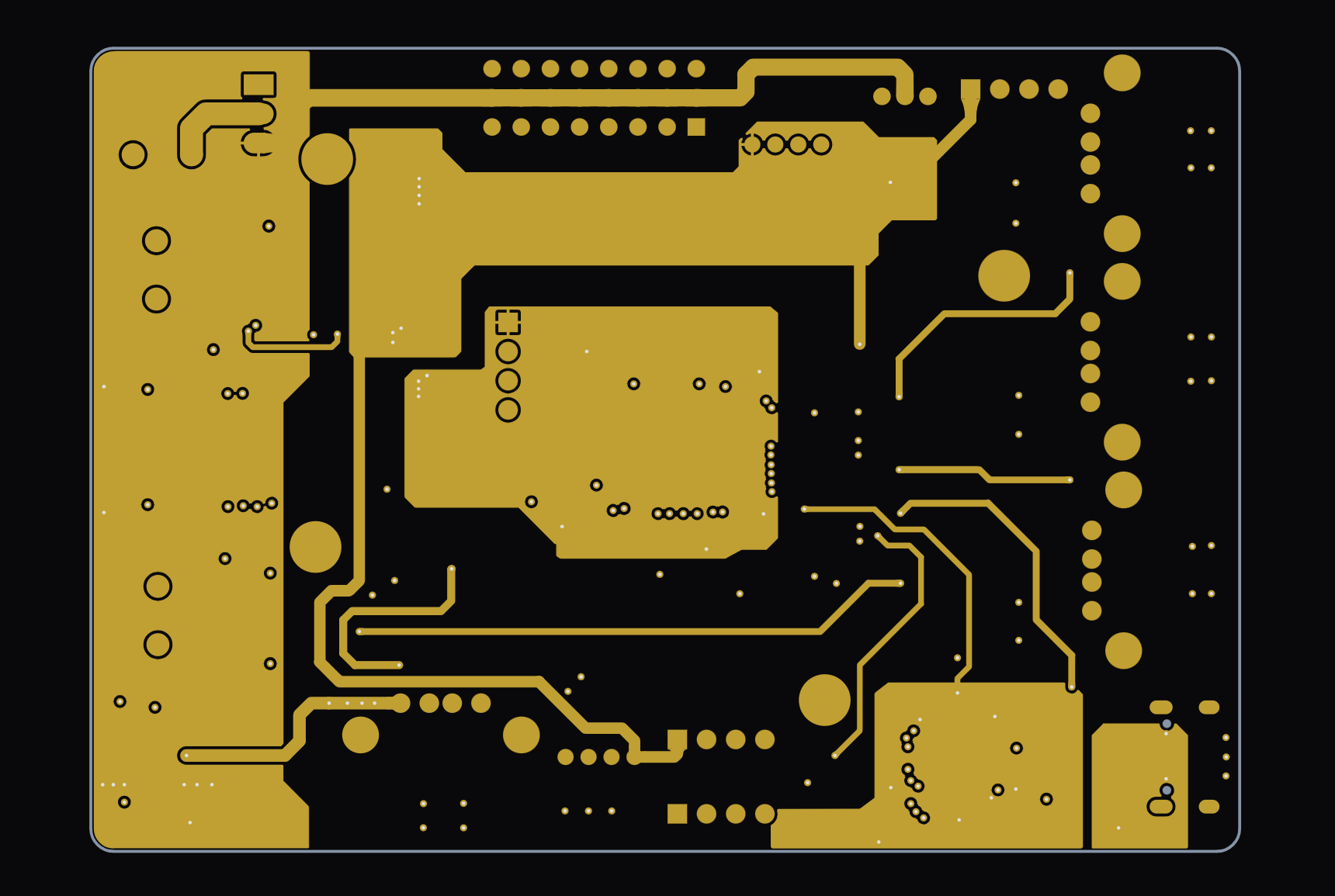
 • 𝗟𝗮𝘆𝗲𝗿 𝟯: A few power pours and traces
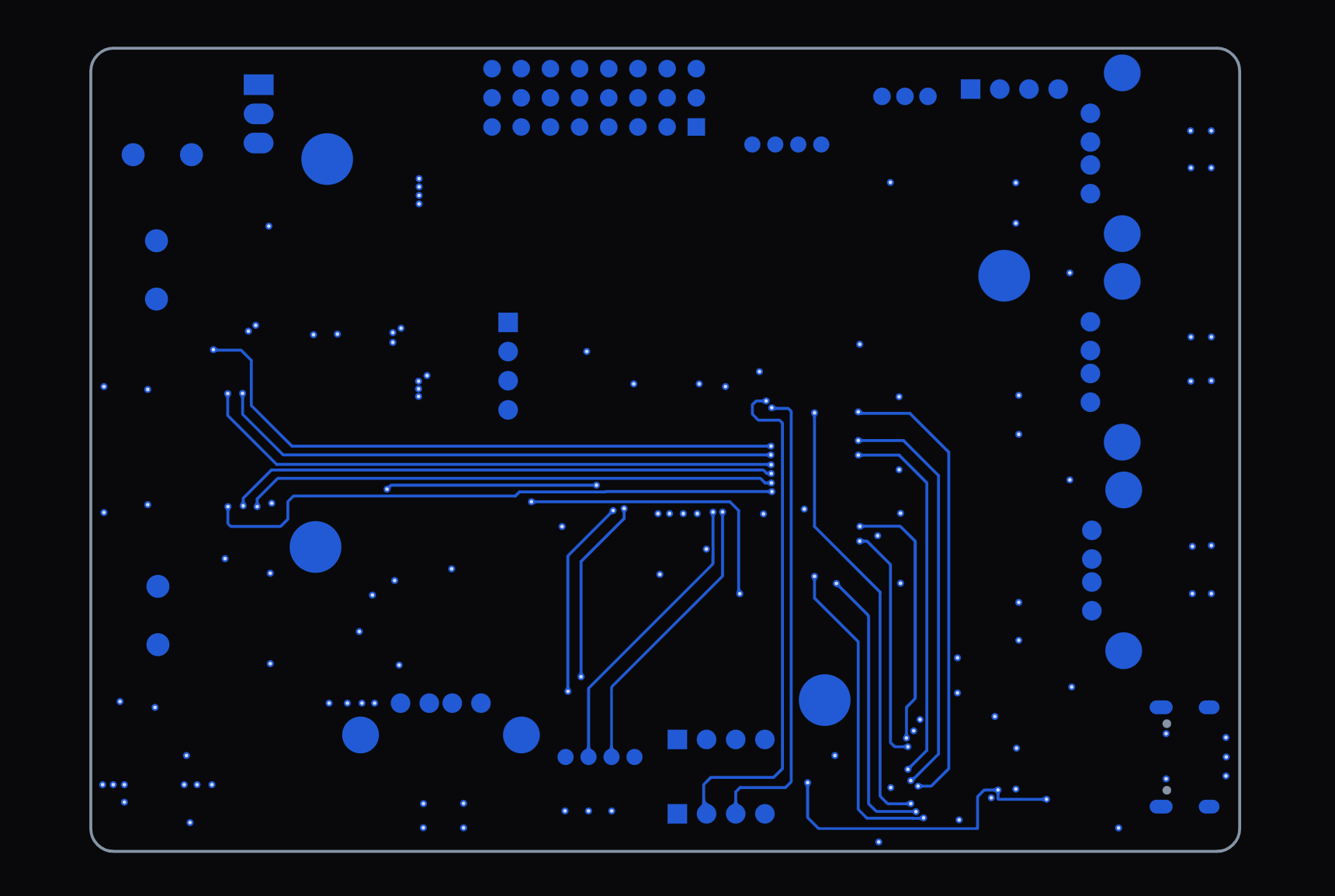
 • 𝗟𝗮𝘆𝗲𝗿 𝟰: A few signal traces
Why isn’t this the best use of the layers?
𝗪𝗮𝘀𝘁𝗲𝗱 𝗟𝗮𝘆𝗲𝗿𝘀: Notice how sparsely populated both Layer 3 and Layer 4 are. There’s no real reason to keep these power pours on their own layer. Instead of this arrangement, the designer can route the power on the outer signal layers and convert Layer 3 to a second continuous ground plane. This guarantees that every signal and power trace is tightly coupled to a dedicated, low-impedance return. Don’t forget to place at least one ground via near each Layer 1 to Layer 4 signal or power transition, and plenty of vias connecting the two ground planes.
𝗧𝗵𝗲 𝗧𝗵𝗶𝗰𝗸 𝗖𝗼𝗿𝗲 𝗮𝗻𝗱 𝗟𝗼𝗼𝘀𝗲 𝗖𝗼𝘂𝗽𝗹𝗶𝗻𝗴: Because Layer 3 is not a ground plane, the power traces on Layer 3 and Layer 4 must rely on the Layer 2 ground plane for their return paths. In a typical 4-layer board, the dielectric between Layers 2 and 3 is much thicker than the dielectric between the other layers. Because of this larger gap, the inductance of the Layer 4 traces will be higher than those routed on Layer 1.
In addition, because the fields for Layers 3 and 4 occupy the same dielectric space, the power transients and signal energy will mix. This increases the risk of crosstalk and common-mode radiation.
𝗖𝗼𝗽𝗽𝗲𝗿 𝗙𝗹𝗼𝗼𝗱 𝗼𝗻 𝗦𝗶𝗴𝗻𝗮𝗹 𝗟𝗮𝘆𝗲𝗿𝘀: Look at the ground pour on Layer 1. While ground pours can be used on signal layers, they must have appropriate stitching vias to the ground plane. There's a larger debate in the community about the effectiveness of copper flood, but we can all agree that if used, it must be appropriately attached to ground.
Effective PCB design requires engineering both the forward and return path, so the energy stays exactly where we intend it to.
Need this level of analysis for your next board?
Get in touch with our experts to book a consultation.